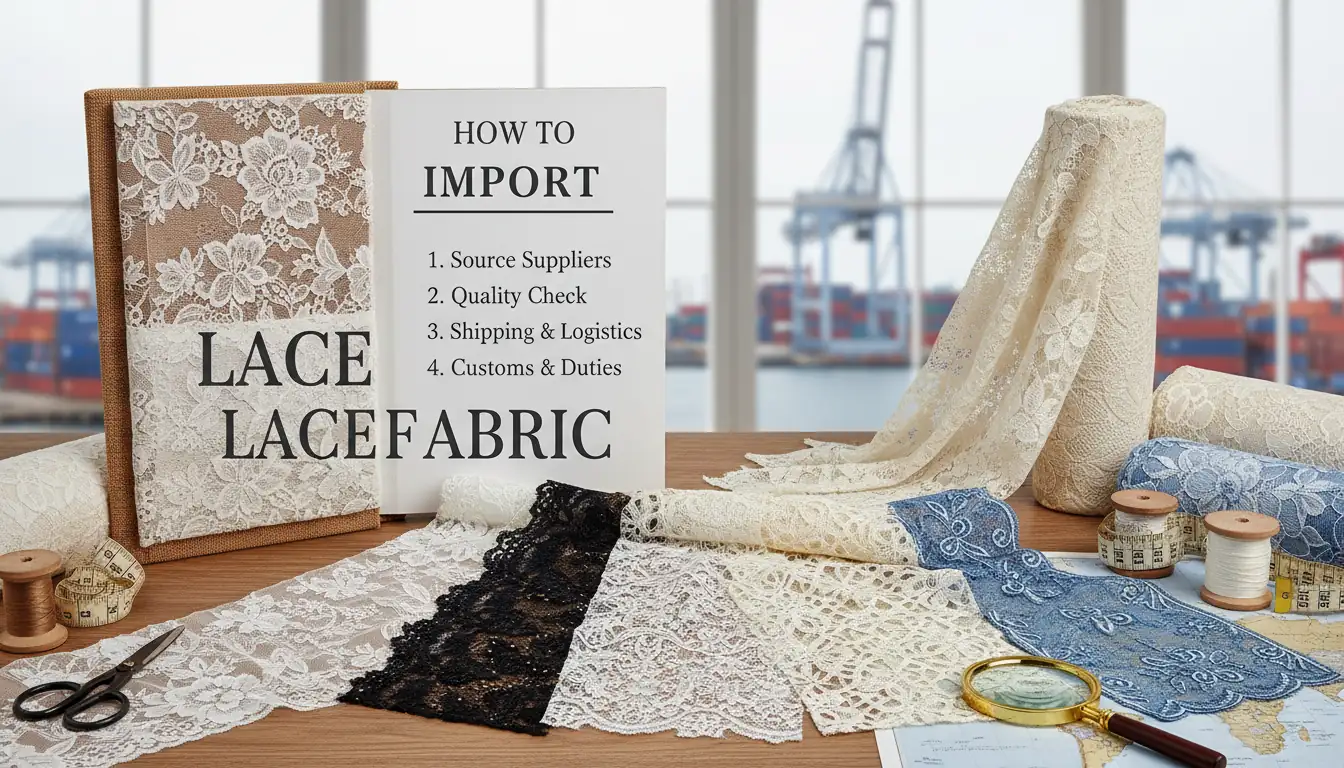
How To Import Lace Fabric
Importing lace fabric can be a complex process that requires detailed knowledge of the supply chain, technical specifications, and quality standards. Understanding the **minimum order quantity (MOQ)**, **lead time**, and the various types of lace fabrics is crucial for successful procurement. This guide provides procurement managers and fabric product developers with the essential insights needed to navigate the lace fabric import process efficiently.
Understanding Lace Fabric Types
Lace fabric comes in several types, each with unique properties and applications. The most common varieties include:
- Guipure Lace Fabric: Known for its intricate designs and sturdiness, guipure lace is often used in high-end fashion.
- Embroidered Lace Fabric: This fabric features decorative embroidery for added texture and visual appeal.
- Corded Lace Fabric: Characterized by raised outlines, this type is commonly used in decorative applications.
- Beaded Lace Fabric: Incorporates beads for a luxurious look, ideal for evening wear.
Production Techniques and Machinery
The production of lace fabric involves various techniques that can significantly affect quality and cost. The primary methods include:
Jacquard Weaving
This technique uses a Jacquard loom to create complex patterns. It is essential for producing high-quality lace fabric efficiently.
Machine Lace Production
Machine lace is produced using specialized machinery that can replicate intricate designs quickly. This method offers a cost-effective solution for bulk orders.
Handmade Lace
Handmade lace is crafted by skilled artisans and is often more expensive due to the time and skill involved. This type is preferred for luxury garments.
Raw Material Grades and Quality Control Standards
The quality of lace fabric is heavily influenced by the raw materials used and adherence to quality control standards. Key materials include:
- Polyester: Durable and cost-effective, suitable for bulk production.
- Nylon: Offers elasticity and strength, often used in activewear.
- Cotton: Provides breathability and comfort, ideal for summer garments.
Quality control standards such as **OEKO-TEX Standard 100** ensure that fabrics are free from harmful substances, making them safe for consumer use.
Technical Specifications Comparison
| Type of Lace Fabric | GSM | Composition | Width |
|---|---|---|---|
| Guipure Lace | 150-200 | 100% Polyester | 50-60 inches |
| Embroidered Lace | 100-150 | Cotton/Polyester Blend | 45-55 inches |
| Corded Lace | 200-300 | 100% Nylon | 50-62 inches |
| Beaded Lace | 150-250 | Polyester with Beads | 45-54 inches |
Key Considerations for Importing Lace Fabric
When importing lace fabric, several factors must be taken into account:
- Supplier Verification: Ensure your lace fabric manufacturer has a proven track record.
- Sample Lead Time: Request samples to evaluate quality before placing a bulk order.
- Minimum Order Quantity (MOQ): Understand the MOQ set by the manufacturer to align with your production needs.
- Shipping and Customs: Familiarize yourself with relevant import regulations and duties.
FAQ
What is the typical lead time for lace fabric samples?
Sample lead times generally range from 7 to 14 days, depending on the supplier and fabric type.
What is the MOQ for lace fabric orders?
The MOQ can vary significantly, typically ranging from 100 to 1,000 meters, depending on the manufacturer.
How can I ensure the quality of imported lace fabric?
Request certifications such as OEKO-TEX and conduct thorough supplier audits.
What are the most common fabric compositions used in lace?
Common compositions include polyester, nylon, and cotton blends, each offering distinct properties.
Are there any specific regulations for importing lace fabric?
Yes, it's essential to comply with customs regulations and quality standards, which can vary by country.
For your lace fabric sourcing needs, consider partnering with a reputable lace fabric manufacturer. Request a Free Sample Swatch from Shaoxing Yituo to experience the quality firsthand.