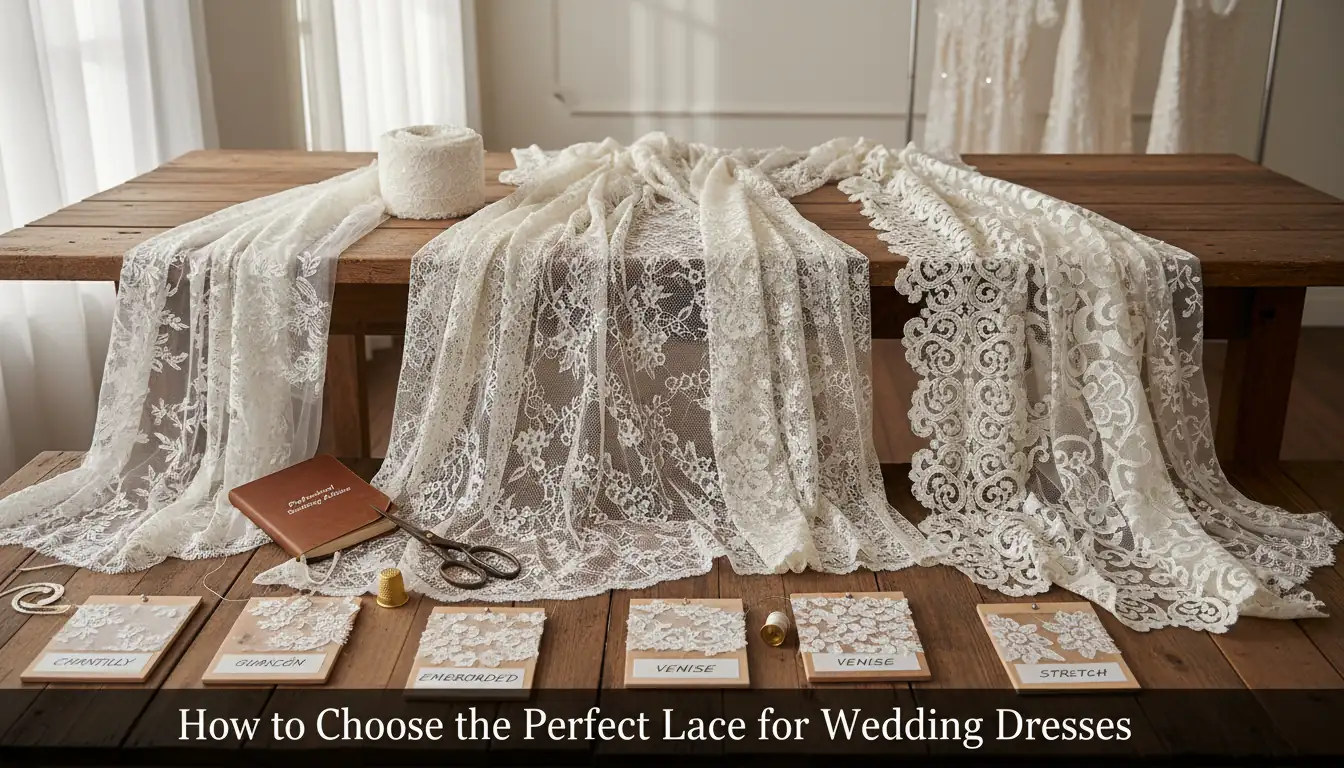
How to Choose the Perfect Lace for Wedding Dresses: Professional Sourcing Advice
When selecting the ideal lace for wedding dresses, procurement managers must consider several critical factors to ensure quality and compliance with industry standards. Understanding **raw material grades**, **production techniques**, and **quality control (QC) standards** is essential in sourcing lace fabric. This guide aims to provide supply chain experts with the knowledge needed to navigate the complexities of lace sourcing effectively.
Understanding Lace Fabric Types
Lace fabric comes in various types, each with distinct characteristics suitable for different design requirements. Common types include:
- **Chantilly lace**: Known for its delicate patterns and lightweight feel.
- **Alençon lace**: Features a floral pattern with a raised design, offering a luxurious appearance.
- **Venise lace**: Heavier and more structured, ideal for appliqués and trims.
Production Techniques
The production technique significantly influences the quality and cost of lace. Key methods include:
- **Jacquard weaving**: Allows intricate patterns to be woven into the fabric.
- **Embroidery**: Adds texture and detail to lace, often used in lace trims.
- **Chemical lace**: Created by dissolving parts of the fabric to form a lace pattern.
Raw Material Considerations
The choice of raw materials directly affects the lace fabric’s performance and price point. Consider the following:
- **Cotton lace**: Offers breathability and comfort, often used in bridal designs.
- **Polyester lace**: Provides durability and easier maintenance.
- **Silk lace**: Known for its luxurious feel and drape, ideal for high-end wedding dresses.
Quality Control Standards
Ensuring product quality is critical in the lace supply chain. Compliance with international standards such as **OEKO-TEX Standard 100** and **AATCC** testing methods is essential. Key QC parameters include:
- **Tensile Strength**: Measures the force required to break the fabric.
- **Colorfastness**: Assesses the dye's resistance to fading.
- **GSM (Grams per Square Meter)**: A metric indicating fabric weight, influencing drape and feel.
Technical Specifications Comparison
| Fabric Type | Composition | Width | GSM | MOQ |
|---|---|---|---|---|
| Chantilly Lace | 100% Nylon | 130 cm | 60 | 50 meters |
| Alençon Lace | Cotton/Polyester Blend | 150 cm | 80 | 30 meters |
| Venise Lace | 100% Cotton | 140 cm | 100 | 20 meters |
Frequently Asked Questions (FAQs)
What is the sample lead time for lace fabric?
The typical sample lead time for lace fabric ranges from 5 to 10 business days, depending on the supplier and availability.
What is the minimum order quantity (MOQ) for wholesale lace fabric?
MOQs for wholesale lace fabric generally start at 20 to 50 meters, contingent upon the fabric type and supplier policies.
How do I choose a lace fabric supplier?
Evaluate potential suppliers based on their product quality, compliance with industry standards, and their ability to deliver on time. For detailed guidance, refer to this comprehensive resource.
What are the best types of lace used in bridal dresses?
Popular choices include Chantilly, Alençon, and Venise lace. Each type offers unique qualities that cater to different design aesthetics. For an in-depth look, visit this page.
Where can I find luxury lace fabric for couture dresses?
Luxury lace fabrics can be sourced from specialized suppliers who maintain high standards of quality and craftsmanship. Explore options available at this link.
In summary, selecting the right lace for wedding dresses requires a thorough understanding of fabric types, production processes, and quality standards. For hands-on experience, consider requesting a free sample swatch from Shaoxing Yituo to evaluate lace fabric options for your next project. Source with confidence and ensure your bridal designs stand out.