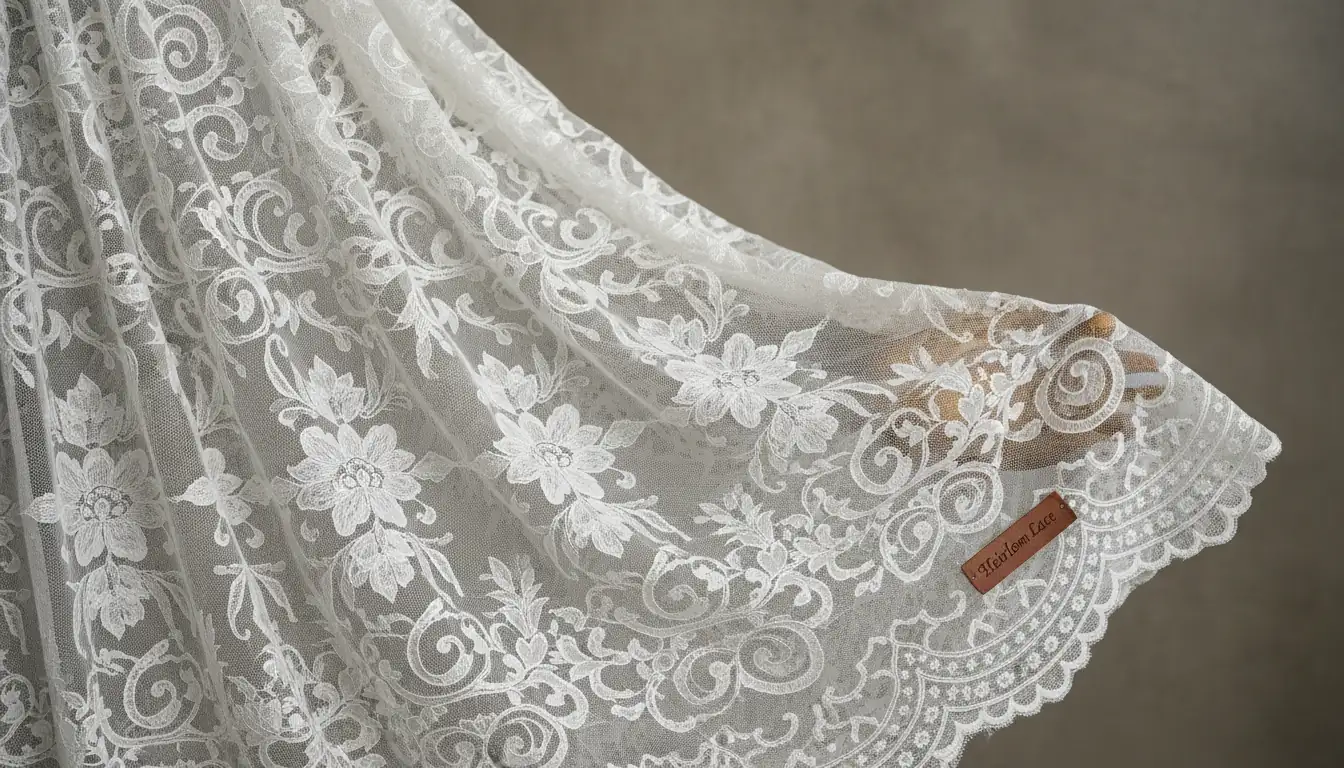
What Is Lace Fabric
Lace fabric is a delicate textile known for its intricate patterns and open weave. It is primarily used in high-end garments and accessories. In the textile supply chain, lace represents a unique category due to its specialized production techniques and material requirements. Key concerns for procurement managers include understanding the various types of lace, their manufacturing processes, and quality control standards.
Types of Lace Fabric
Lace can be categorized into several types based on its production techniques, including:
- Guipure Lace Fabric: Characterized by its heavy embroidered patterns without a net background.
- Embroidered Lace Fabric: Features intricate embroidery on a base fabric, often adding dimension.
- Corded Lace Fabric: Incorporates raised cords to create texture and design.
- Beaded Lace Fabric: Adorned with beads for added embellishment.
- Stretch Lace Fabric: Includes elastic fibers, allowing for greater flexibility and comfort.
Production Techniques
The manufacturing of lace fabric involves several intricate processes:
- Bobbin Lace Making: Uses bobbins to weave lace by hand, ideal for small, detailed pieces.
- Machine Lace Production: Employs specialized machines for mass production, ensuring consistency and efficiency.
- Embroidery Techniques: Often integrated with lace to create embroidered lace fabric.
Raw Material Grades
The quality of lace fabric is heavily influenced by the choice of raw materials, such as:
- Cotton: Commonly used for its breathability and comfort.
- Polyester: Offers durability and ease of care, often used in lace fabric wholesale.
- Silk: Provides a luxurious feel but is more delicate and costly.
Quality Control Standards
Quality control is crucial in lace production to meet industry standards:
- OEKO-TEX Standard 100: Ensures textiles are free from harmful substances.
- AATCC Test Methods: Test colorfastness and fabric durability.
- ISO 9001: Focuses on quality management systems in textile manufacturing.
Technical Specifications Comparison Table
| Type of Lace | GSM | Composition | Width |
|---|---|---|---|
| Guipure Lace Fabric | 100-200 | Cotton/Polyester | 50-130 cm |
| Embroidered Lace Fabric | 80-150 | Cotton/Polyester | 60-120 cm |
| Corded Lace Fabric | 120-250 | Polyester/Cotton | 50-150 cm |
| Stretch Lace Fabric | 90-180 | Nylon/Spandex | 50-130 cm |
FAQ
What is the sample lead time for lace fabric?
The sample lead time typically ranges from 7 to 14 days, depending on the complexity of the lace design and availability of materials.
What is the minimum order quantity (MOQ) for lace fabric?
The MOQ varies by manufacturer but generally falls between 100 to 500 meters, depending on the type of lace and production method.
What are the common applications of lace fabric?
Lace fabric is widely used in bridal wear, evening gowns, lingerie, and various fashion accessories, making it a staple in high-end apparel.
How to ensure quality when sourcing lace fabric?
To ensure quality, verify that the manufacturer adheres to international standards such as ISO 9001 and OEKO-TEX Standard 100, and request samples before placing large orders.
What are the benefits of sourcing lace fabric wholesale?
Sourcing lace fabric wholesale allows for lower costs per meter, better negotiation opportunities, and reliable supply chain management, particularly when working with established lace fabric manufacturers.
For more detailed insights, visit our articles on Embroidered Lace Fabric, Corded Lace Fabric, and Beaded Lace Fabric.
For procurement managers seeking high-quality lace fabric, we invite you to request a free sample swatch from Shaoxing Yituo to evaluate our offerings and enhance your product range.