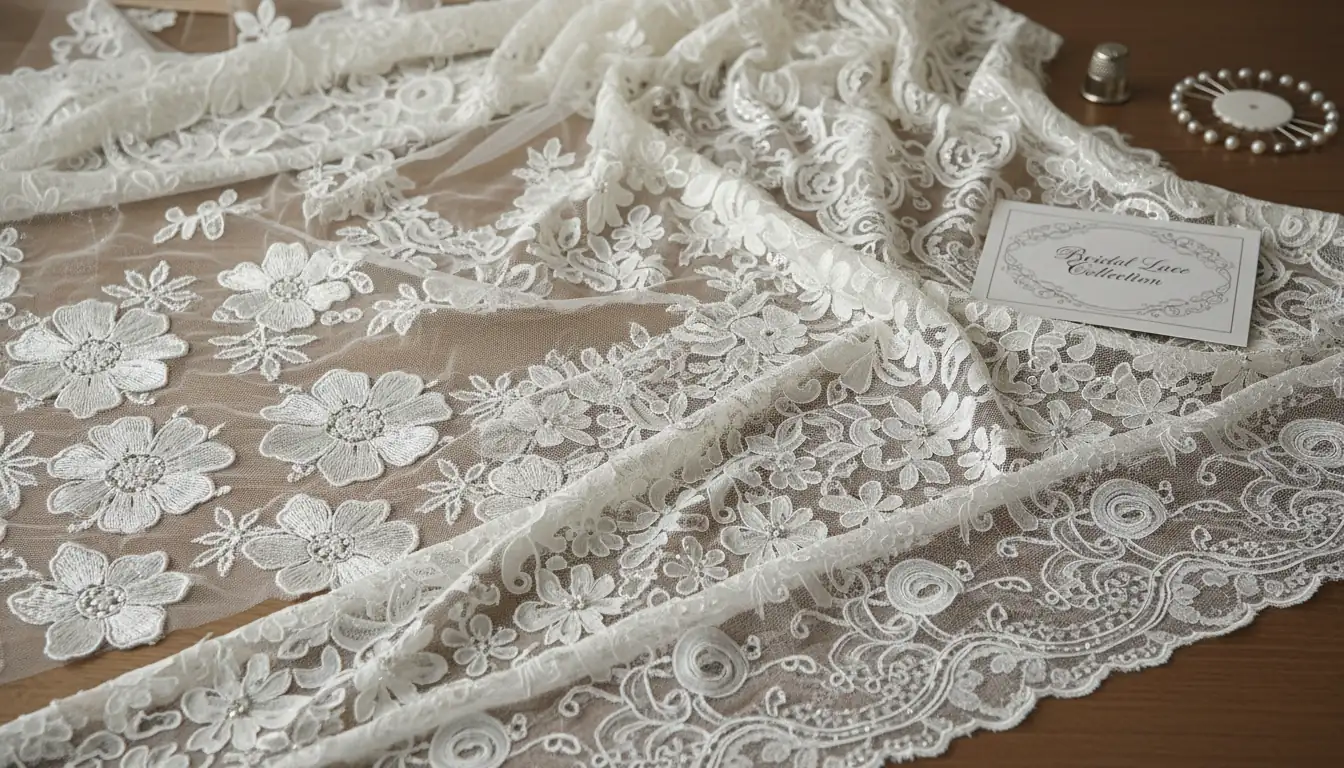
Types Of Lace Used In Bridal Dresses
When sourcing lace for bridal dresses, understanding the various types of lace is essential for Procurement Managers and Fabric Product Developers. Lace is not merely an embellishment; it serves as a vital component in the overall design and quality of bridal garments. Key factors like lead times, minimum order quantities (MOQs), and compliance with OEKO-TEX Standard 100 are crucial in selecting the right lace fabric. This guide will delve into the different types of lace fabrics used in bridal dresses, their production techniques, and the specifications that influence their application in the apparel supply chain.
Understanding Lace Fabrics
Lace is a delicate fabric characterized by intricate patterns made from threads. Various production methods yield different types of lace, each with unique properties and applications. Below are some of the most commonly used types of lace in bridal dresses:
1. Chantilly Lace
Chantilly lace is known for its fine threads and floral patterns. Originating from France, this type of lace is often used for overlays due to its lightweight nature.
- Composition: Cotton or Nylon
- GSM: 60-120
- Width: 45-54 inches
2. Alençon Lace
Alençon lace is a needle lace that features a floral design with a distinctive corded outline. It is heavier than Chantilly lace and is often used for more structured bridal dresses.
- Composition: Cotton or Polyester
- GSM: 100-200
- Width: 50-60 inches
3. Venice Lace
Venice lace is known for its bold, intricate patterns and is typically made from cotton or synthetic fibers. It is often used in lace trim applications and can be heavier than other lace types.
- Composition: Cotton with Synthetic Blends
- GSM: 150-300
- Width: 2-10 inches (trim)
4. Guipure Lace
Guipure lace, also known as embroidered lace, is characterized by its ornate designs created without a netting background. This type is often used for statement bridal gowns due to its sturdiness.
- Composition: Cotton or Polyester
- GSM: 200-400
- Width: 50-60 inches
Comparison of Lace Types
| Type of Lace | Composition | GSM | Width |
|---|---|---|---|
| Chantilly Lace | Cotton or Nylon | 60-120 | 45-54 inches |
| Alençon Lace | Cotton or Polyester | 100-200 | 50-60 inches |
| Venice Lace | Cotton with Synthetic Blends | 150-300 | 2-10 inches (trim) |
| Guipure Lace | Cotton or Polyester | 200-400 | 50-60 inches |
Quality Control and Standards
When sourcing lace from a lace fabric manufacturer, ensure that the materials meet international quality standards. Look for compliance with:
- ISO 9001: Quality Management Systems
- AATCC 20: Colorfastness to Light
- OEKO-TEX Standard 100: Safety and Environmental Standards
FAQ
What is the typical lead time for lace orders?
Lead times can vary but generally range from 2 to 6 weeks depending on the type and quantity of lace ordered.
What is the minimum order quantity (MOQ) for lace?
The MOQ typically starts at 100 meters per type, but this can vary by manufacturer and lace type.
Can lace be customized for bridal designs?
Yes, many manufacturers offer custom lace designs, subject to MOQ and additional lead time.
What are the common applications of lace in bridal wear?
Lace is commonly used in overlays, trims, and entire gown constructions, enhancing elegance and detail.
If you are looking for high-quality lace fabrics for your bridal collections, consider reaching out to Shaoxing Yituo. Explore our lace fabric offerings or stay updated on bridal lace trends. Request a free sample swatch today to ensure the perfect fit for your designs.