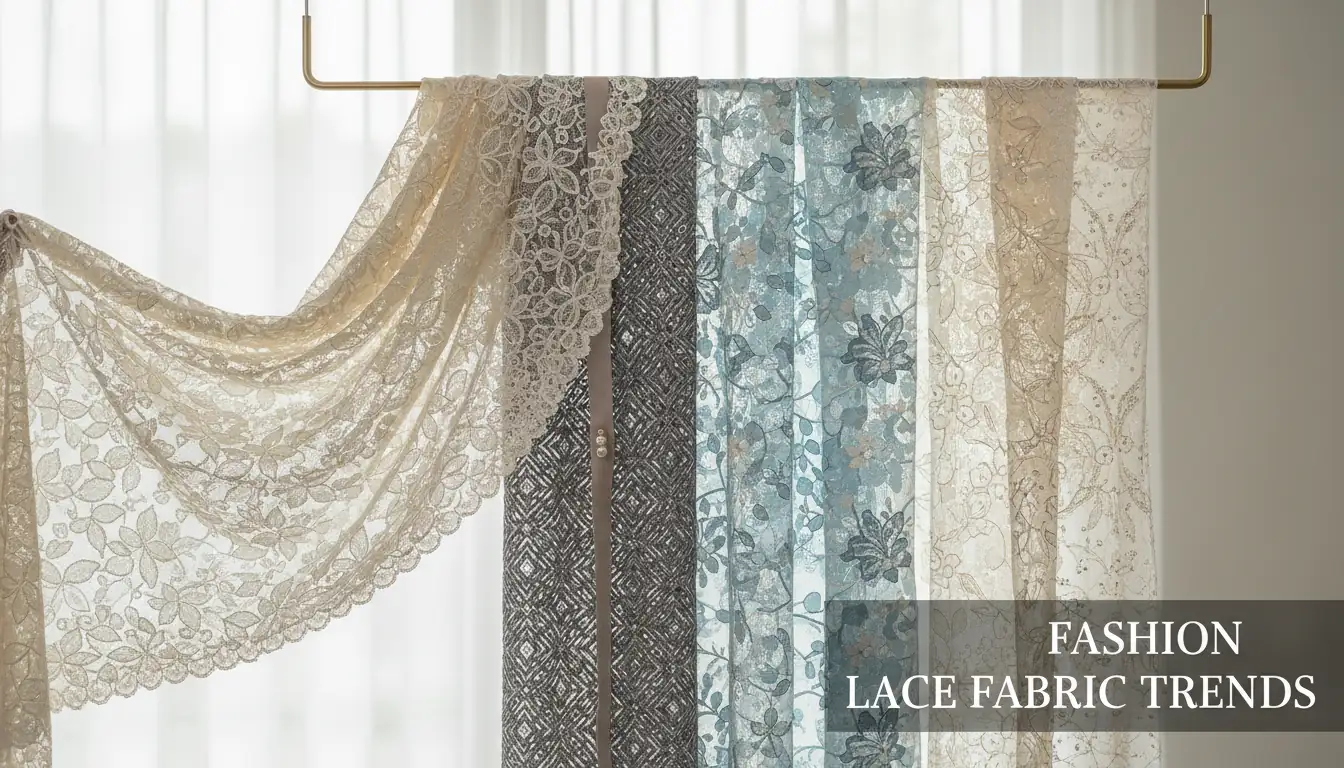
Fashion Lace Fabric Trends
As the global textile supply chain continues to evolve, understanding the latest trends in lace fabric is crucial for procurement managers and fabric product developers. The shift towards sustainable materials, advanced production techniques, and unique designs are shaping the future of lace fabrics. Key concerns include sourcing from reliable lace fabric manufacturers, meeting Minimum Order Quantities (MOQ), and ensuring compliance with quality standards like the OEKO-TEX Standard 100.
Overview of Lace Fabric Types
Lace fabrics are characterized by their intricate designs and delicate structures. The two main categories include:
- Guipure Lace Fabric: Features a heavier, embroidered design without a backing, making it more robust.
- Embroidered Lace Fabric: Typically consists of a fine mesh base with decorative threads embroidered on top.
Production Techniques
The manufacturing of lace fabrics involves a variety of techniques that impact their quality and cost. Here are the primary methods:
Knitted Lace
This technique involves interlocking loops of yarn, allowing for stretch and flexibility, typically used for garments requiring comfort.
Woven Lace
This method uses a loom to create intricate patterns, often resulting in a more rigid structure appropriate for formal wear.
Laser-Cut Lace
With advancements in technology, laser cutting has emerged as a precise method for creating complex designs, providing consistency and reducing waste.
Raw Material Grades
The choice of raw materials significantly affects the performance characteristics of lace fabrics:
- Polyester: Durable and cost-effective, suitable for mass production.
- Nylon: Offers elasticity and strength, ideal for delicate designs.
- Cotton: Provides breathability but may require more care in handling.
Quality Control Standards
Quality control is essential in the lace fabric supply chain to ensure consistency and compliance with international standards:
- ISO 9001: Focuses on meeting customer expectations and delivering satisfaction.
- AATCC 16: Tests colorfastness to light, an important attribute for lace fabrics exposed to sunlight.
- OEKO-TEX Standard 100: Ensures that textiles are free from harmful substances.
Comparison of Lace Fabric Specifications
| Type | GSM | Composition | Width |
|---|---|---|---|
| Guipure Lace | 120-200 | 100% Polyester | 50-60 inches |
| Embroidered Lace | 80-150 | 70% Nylon, 30% Cotton | 50-55 inches |
Future Trends in Lace Fabric
As we look to the future, several significant trends are emerging in the lace fabric industry:
- Sustainability: Increased demand for eco-friendly materials and production methods.
- Customization: Brands are seeking unique, bespoke lace designs to differentiate themselves in the market.
- Technological Integration: Enhanced production techniques using AI and automation for efficiency.
FAQ
What is the typical sample lead time for lace fabrics?
Sample lead time generally ranges from 7 to 14 days, depending on the specific fabric type and manufacturer.
What is the MOQ for wholesale lace fabric?
The MOQ varies by manufacturer, but typically ranges from 100 to 500 meters per design.
What quality certifications should I look for in lace fabric?
Key certifications include OEKO-TEX Standard 100 and ISO 9001, which ensure quality and safety standards are met.
How can I ensure consistency in lace fabric orders?
Establishing a long-term relationship with a reputable lace fabric manufacturer can help ensure consistency in production and quality.
Conclusion
Staying informed about the latest trends in lace fabric is essential for successful procurement in the textile industry. For high-quality options tailored to your manufacturing needs, request a free sample swatch from Shaoxing Yituo to explore our extensive range of lace fabrics. For further insights, check out our articles on lace fabric in high fashion and the future of lace fabric in fashion.