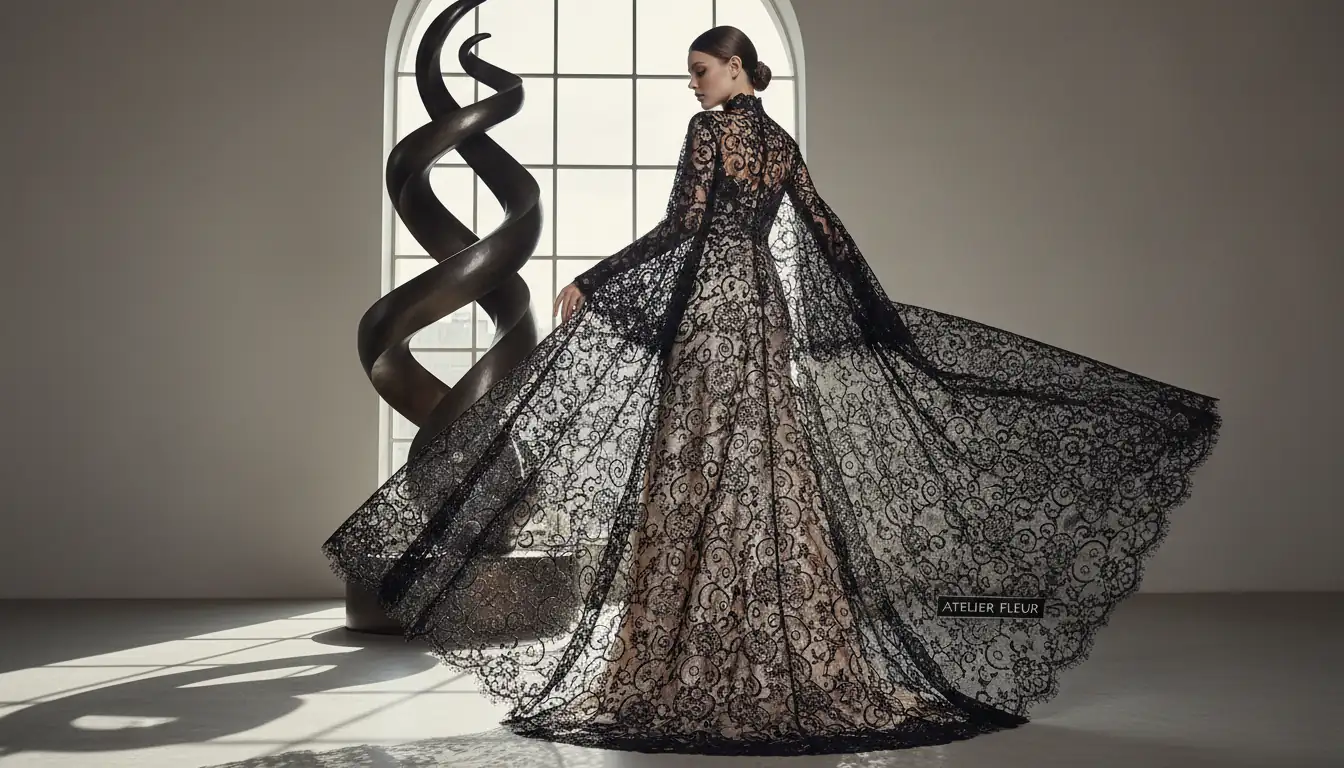
Lace Fabric In High Fashion
Lace fabric has become a cornerstone of high fashion, offering a unique blend of elegance and versatility. As a lace fabric manufacturer, understanding the intricacies of lace production is vital for procurement managers and fabric product developers. Key concerns in sourcing lace include minimum order quantities (MOQ), lead times, and compliance with quality standards such as OEKO-TEX Standard 100. This guide provides an in-depth overview of lace fabric types, production techniques, and quality control measures essential for the global textile supply chain.
Types of Lace Fabric
Lace fabric can be categorized into several types, each offering distinct characteristics suitable for various applications in high fashion:
- Guipure Lace Fabric: Known for its heavier weight and embroidered motifs, ideal for structured garments.
- Embroidered Lace Fabric: Features intricate designs created through machine or hand embroidery, lending a delicate touch to fashion items.
- Chantilly Lace: Lightweight and sheer, perfect for overlays and detailing.
- Venise Lace: Characterized by its thick threads, creating a raised effect; often used in bridal wear.
Production Techniques and Machinery
The production of lace fabric involves several advanced techniques and specialized machinery:
Jacquard Looms
Jacquard looms are essential for producing complex lace patterns. They allow for precise control over the weaving process, ensuring consistency in design and quality.
Embroidery Machines
High-speed embroidery machines enable the creation of detailed embroidered lace. These machines can handle multiple thread colors and intricate designs efficiently.
Raw Material Grades
The quality of lace fabric largely depends on the raw materials used:
- Fibers: Common fibers include cotton, polyester, and nylon.
- Thread Count: Higher thread counts generally result in denser, more durable lace.
- Finishing Treatments: Chemical treatments may enhance properties such as softness and colorfastness.
Quality Control Standards
To ensure high-quality lace fabric, adherence to industry standards is paramount:
- ISO 9001: Focuses on quality management systems.
- AATCC 16: Determines colorfastness to light, essential for maintaining the vibrancy of lace fabrics.
- OEKO-TEX Standard 100: Certifies that textiles meet high safety and environmental standards.
Technical Specifications Comparison
| Type of Lace | GSM | Composition | Width |
|---|---|---|---|
| Guipure Lace | 150-250 | Cotton/Polyester | 130 cm |
| Embroidered Lace | 100-200 | Polyester/Nylon | 140 cm |
| Chantilly Lace | 50-100 | Nylon/Polyester | 130 cm |
| Venise Lace | 200-300 | Cotton/Polyester | 120 cm |
Frequently Asked Questions (FAQ)
What is the typical lead time for lace fabric orders?
Lead times can vary, but typically range from 4 to 8 weeks depending on the complexity of the order and current production schedules.
What is the minimum order quantity (MOQ) for lace fabric?
Most manufacturers set an MOQ between 50 to 100 meters, depending on the type and customization of the lace fabric.
Can lace fabric be customized?
Yes, many lace fabric manufacturers offer customization in terms of pattern, color, and material composition.
What certifications should I look for in lace fabric?
Focus on certifications like OEKO-TEX Standard 100 for safety and environmental standards, as well as ISO certifications for quality assurance.
How should lace fabric be stored?
Lace fabric should be stored in a cool, dry place, away from direct sunlight to prevent fading and degradation.
Conclusion
Lace fabric remains a vital component in high fashion, merging artistry with technical precision. For procurement managers and fabric product developers, understanding the intricacies of lace sourcing can enhance product offerings and supply chain efficiency. For further insights, explore our articles on What Is Lace Fabric, Future Of Lace Fabric In Fashion, and Fashion Lace Fabric Trends.
Ready to elevate your collection with high-quality lace? Request a Free Sample Swatch from Shaoxing Yituo.